 Business License

The Holy Grail of Fabrication: Real-Time Ultrasonic Weld Analysis
For decades, the "Achilles' heel" of automotive assembly was the delay between making a weld and verifying its quality. If a welding robot began to fail at 8:00 AM, but the quality inspector didn't catch the defect until the 10:00 AM audit, two hours of expensive scrap had already been produced.
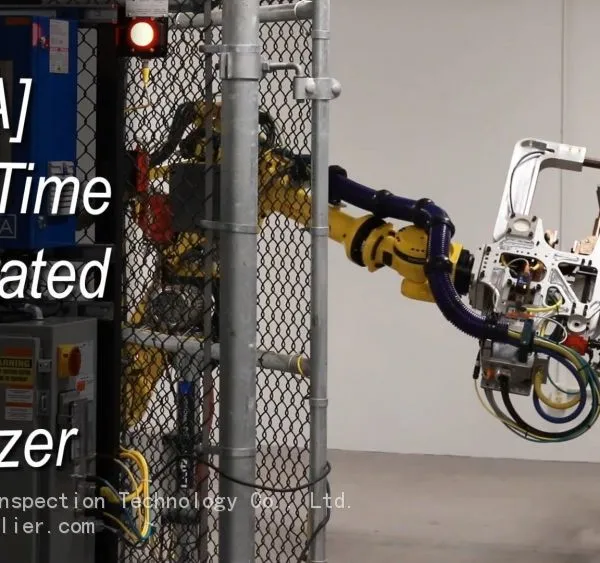
The industry needed a way to see inside the weld at the exact microsecond it was being formed. Enter the Real-Time Integrated Weld Analyzer (RIWA)—the Industry 4.0 answer to smart factory demands.
What is RIWA?
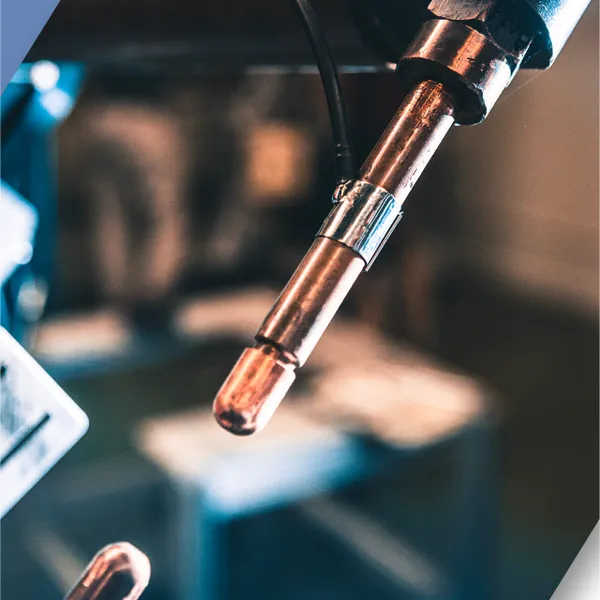
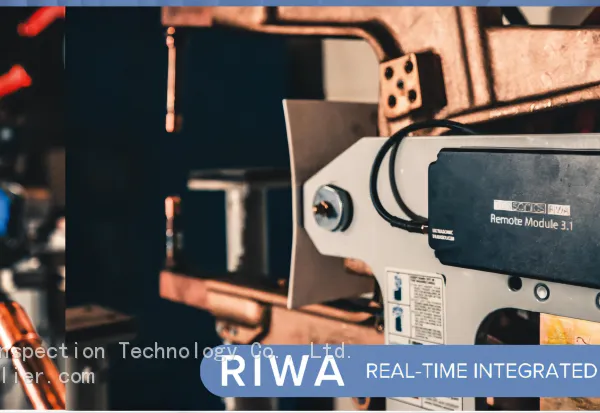
Developed by Tessonics, RIWA is not just a testing tool; it is a biological-like nervous system for welding robots. Unlike traditional NDT where a technician walks the floor, RIWA integrates a high-frequency ultrasonic transducer directly into the welding electrode.
How it Works: Inspection at the Speed of Light
As the welding electrodes clamp down on the metal sheets and the current begins to flow, the integrated sensor sends ultrasonic waves through the electrode cap and into the molten nugget.
Continuous Monitoring: The system "watches" the nugget grow in real-time.
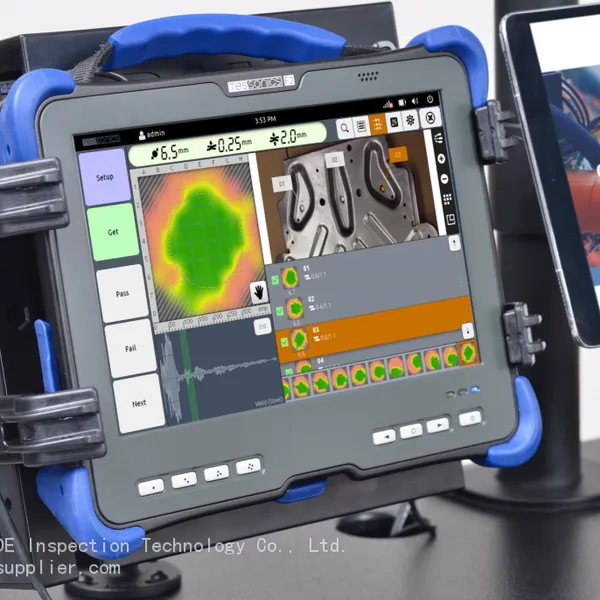
AI-Powered Brains: Leveraging the latest advancements in Artificial Intelligence, the software analyzes the wave reflections to determine the exact location and size of the nugget relative to the plate surfaces.
Self-Aware Systems: RIWA is "self-aware," meaning it monitors the welding process continuously and can immediately flag a deviation the moment it occurs.
Why 20,000 Joints Matter
A detection system is only as good as the data behind it. The RIWA system is built on a foundation of expertise, having meticulously analyzed over 20,000 different welding joint behaviors. This massive library of "weld fingerprints" allows the AI to distinguish between a perfect fusion and a subtle defect with surgical precision.
The Benefits of Integrated Analysis
Zero-Delay Quality Control: You no longer wait for a report; the report is generated as the weld is made.
Customizable Triggers: Quality managers can set specific thresholds. If a weld doesn't meet the requirement, the line can be paused or the part flagged automatically.
Data-Driven Process Management: By feeding real-time data back into the factory's ERP system, manufacturers can predict when electrode caps need changing before they start producing bad welds.
Recently Posted
-
The Future is Here: A New Era in Smart Weld Inspection
August 11, 2026On modern automotive production lines, humanoid robots are meticulously inspecting every single weld point. Moving beyond human re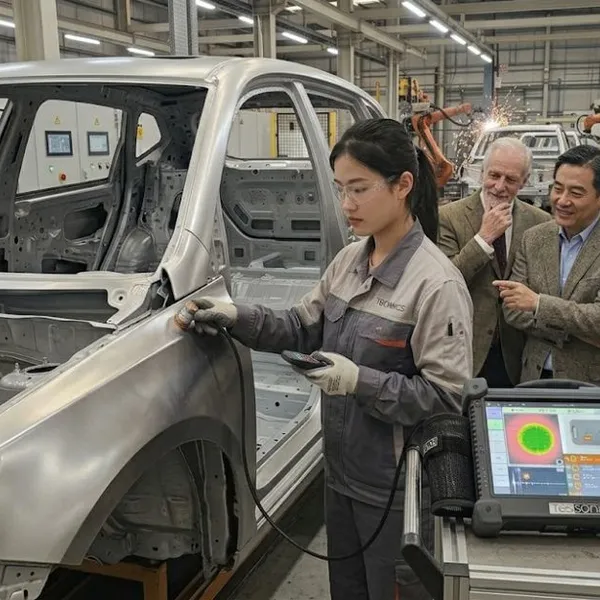 Read More
 -
Redefining Automotive Quality Control! Experience the All-Scenario Power of the Tessonics RSWA F1
July 29, 2026From the busy body-in-white (BIW) welding shop floor to high-level international boardrooms, how do you make your spot weld qualit
Read More -
From "Empirical Welding" to "Smart Traceability" — A New Era in Spot Welding Quality Control
July 21, 2026In traditional resistance spot welding (RSW) production, engineers often operate in a "black box." Although weld control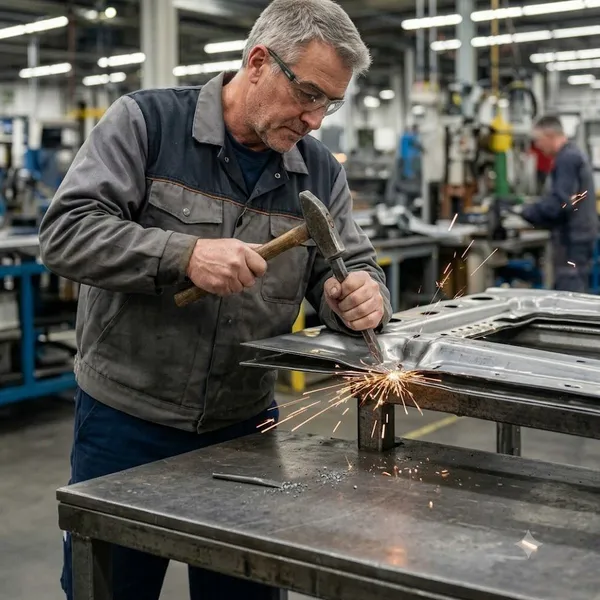 Read More
 -
RIWA: The Real-Time Guardian of Weld Quality!
May 15, 2026Move beyond offline sampling and embrace 100% real-time inline inspection! The RIWA system provides instant feedback the moment a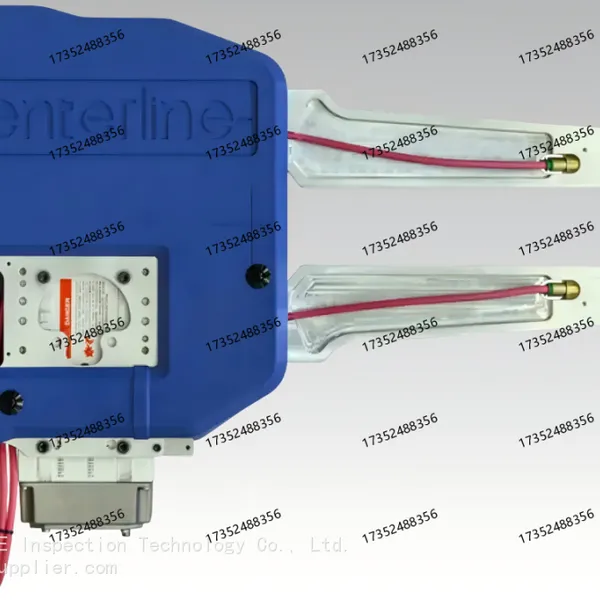 Read More

Contact Us
Recommended Products
-
 RSWA F2 Ultrasonic Quality Inspection PlatformNegotiableMOQ: 1 Set
 -
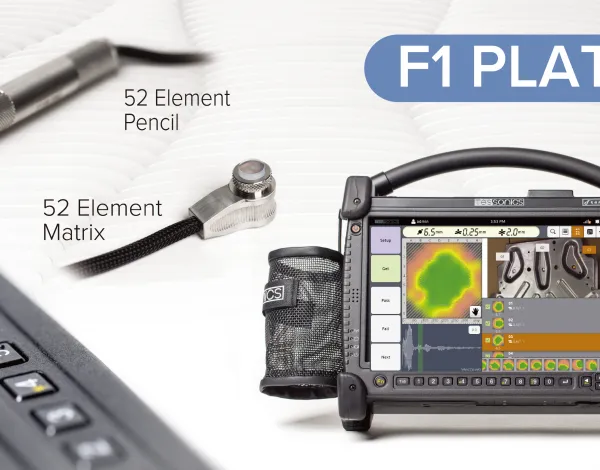
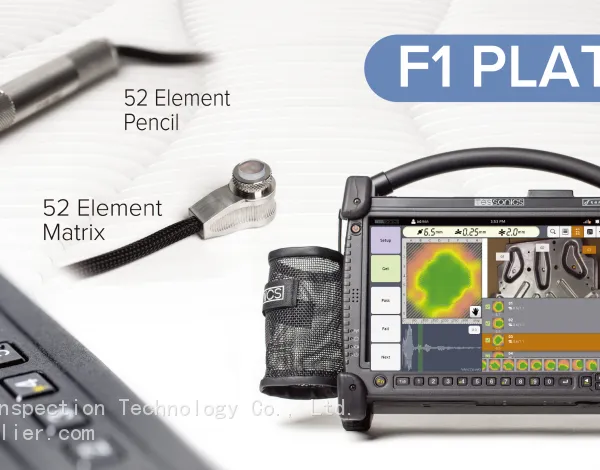
F1 Platform Ultrasonic Quality Inspection PlatformNegotiableMOQ: 1 Set
-
Recommendation Article: A Revolutionary Tool for Welding Engineers—RIWA Real-Time Weld Point Detection SystemNegotiableMOQ: 1 Set
-
Ultrasonic Weld Scanning-spot Weld TestingNegotiableMOQ: 1 Set
-
F1 Platform Ultrasonic Quality Inspection PlatformNegotiableMOQ: 1 Set
-
RSWA F2 Ultrasonic Quality Inspection PlatformNegotiableMOQ: 1 Set
-
RSWA F2 Ultrasonic Quality Inspection PlatformNegotiableMOQ: 1 Set
-
Tessonics RSWA F-1: The Cost-Effective Choice for Spot Weld InspectionUS$ 80000 - 85000MOQ: 1 Unit
-
TESSONICS Quality of Resistance Spot WeldingNegotiableMOQ: 1 Set
-
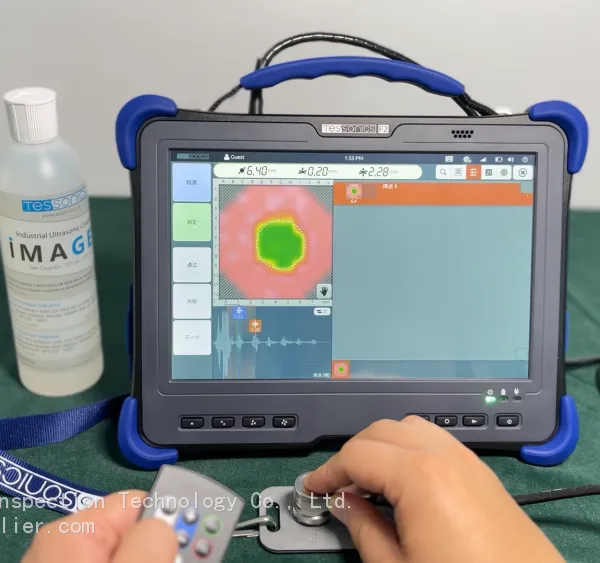
TESSONICS WELDING TESTNegotiableMOQ: 1 Set
-
F1 Ultrasonic Quality Inspection PlatformNegotiableMOQ: 1 Set
-
REAL-TIME IN-LINE SPOT WELD ANALYZER NdtNegotiableMOQ: 1 Set
-
F2 Platform Ultrasonic Quality Inspection PlatformNegotiableMOQ: 1 Set
-
F2 – The Intelligent Eye of QualityUS$ 99000MOQ: 1 Set
-
F1 – Precision You Can CarryUS$ 66666MOQ: 1 Set