 Business License

The Precision Pulse: Mastering the Challenges of Lightweight Joinery
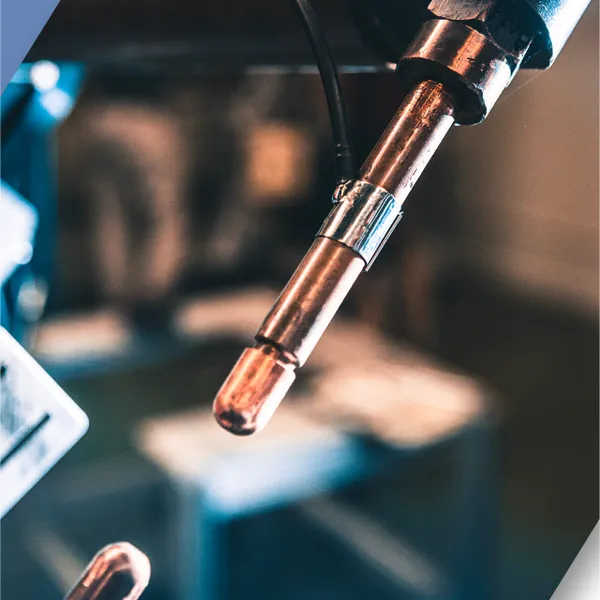
In the race for automotive electrification, "weight" is the enemy. To extend battery range, manufacturers are pivoting toward multi-material vehicle architectures—mixing aluminum, advanced high-strength steels (AHSS), and coated alloys.
At the heart of this structural puzzle is Resistance Spot Welding (RSW). But as materials get lighter and stronger, the window for a "perfect weld" gets dangerously small.
The Challenge: When Visuals Deceive
In traditional steel welding, a spark and a visible indentation often signaled a successful joint. Not anymore.
Aluminum’s Trap: Aluminum has high thermal conductivity and a stubborn oxide layer. You can have a weld that looks perfect on the surface but contains a "void" or "porosity" inside that will snap under tension.
The "Liquid Metal Embrittlement" (LME): In some high-strength steels, improper heat during spot welding can cause microscopic cracks.
If you can't see the defect, how do you guarantee the car won't fall apart over ten years of road vibration?
Ultrasonic NDT: The "Medical Ultrasound" for Machines
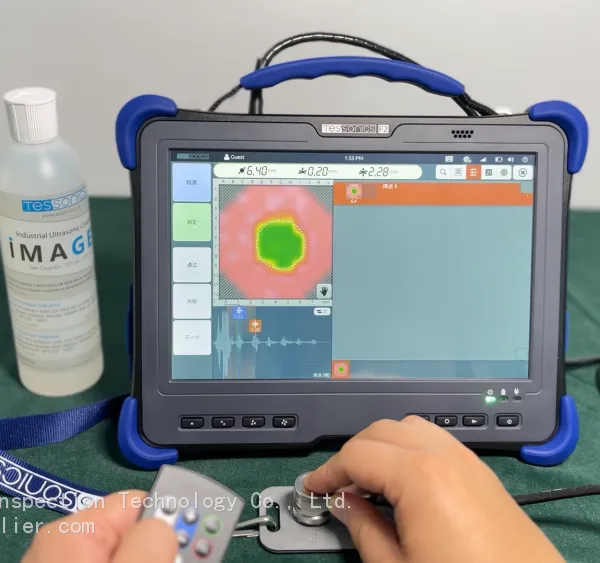
This is where Ultrasonic Non-Destructive Testing (NDT) steps in as the ultimate quality gatekeeper. Much like a doctor uses ultrasound to see inside the human body, engineers use high-frequency sound waves to map the internal "nugget" of a weld.
Why it’s the Superior Choice for Modern Shops:
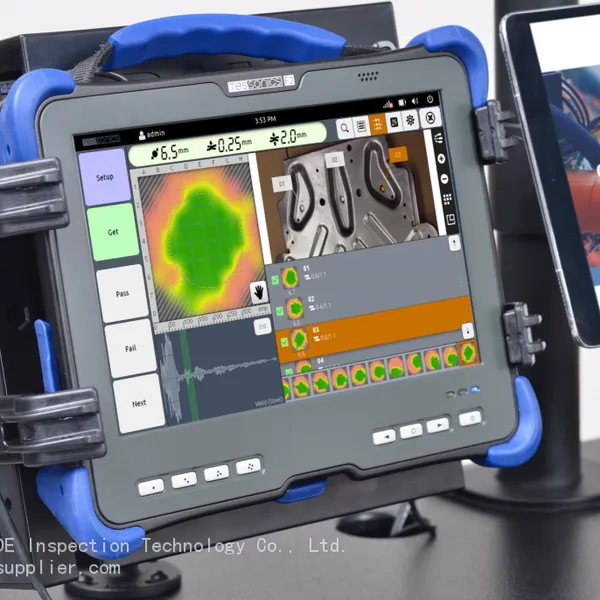
Measuring the "Nugget" Diameter: The strength of a spot weld is mathematically tied to the diameter of the fused nugget. Ultrasound provides a precise measurement of this diameter ($pm 0.1 ext{mm}$) without needing to tear the sheets apart.
Identifying "Stick Welds": A "stick weld" occurs when the metals are held together by a thin layer of melted coating rather than a true fused nugget. Ultrasound detects the reflection at the interface, instantly flagging a weak bond that a human eye would miss.
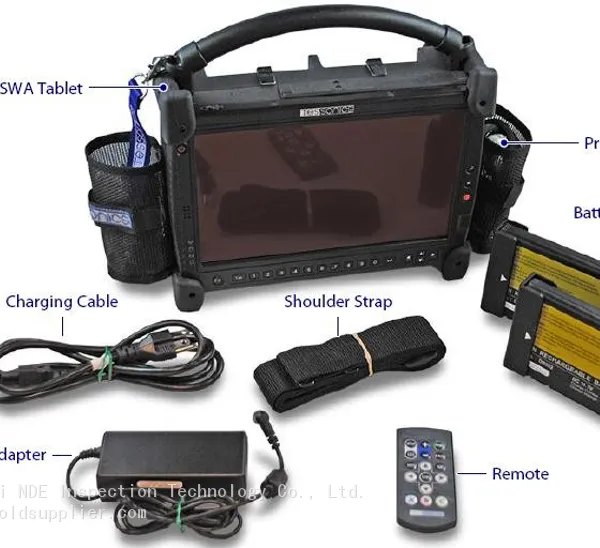
Real-Time Feedback Loop: With portable ultrasonic equipment, technicians can test a "suspect" weld immediately after the robot finishes. This prevents "mass-production of scrap"—if the welder is failing, you catch it at vehicle #1, not vehicle #500.
The Bottom Line: Confidence in Every Click
Resistance spot welding is no longer a "set it and forget it" process. It is a high-precision science. By integrating Ultrasonic NDT, manufacturers gain the confidence to push the boundaries of lightweight design, knowing that every single "click" of the welding gun has created a bond that is built to last.
Recently Posted
-
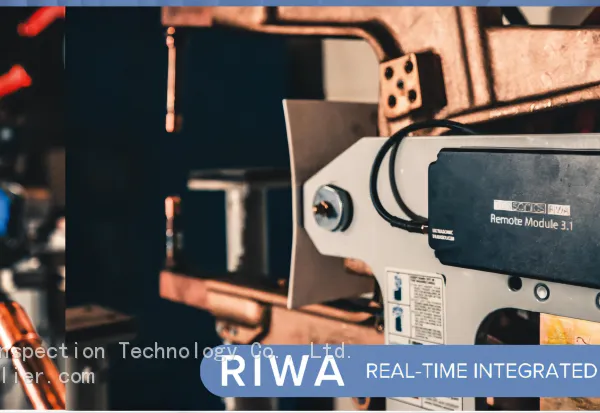
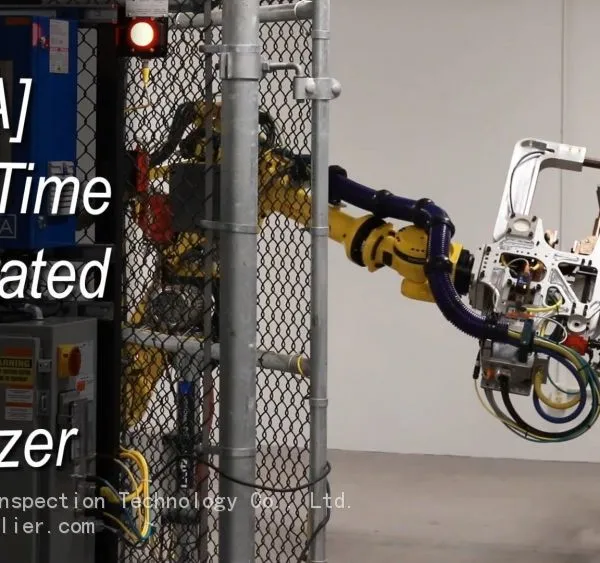
RIWA: The Real-Time Guardian of Weld Quality!
May 15, 2026Move beyond offline sampling and embrace 100% real-time inline inspection! The RIWA system provides instant feedback the moment a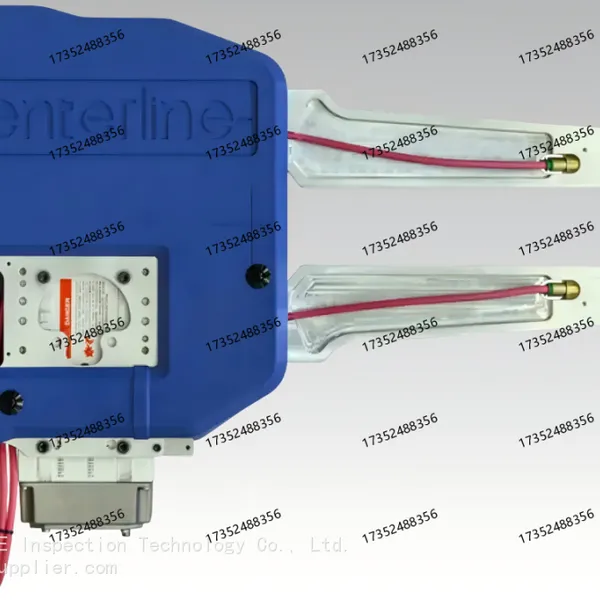 Read More
 -
The Next Evolution in Spot Weld Inspection: Meet the RSWA F1-R!
April 30, 2026Designed for the modern factory floor, the F1-R brings wireless portability to the industry-leading ultrasonic imaging system. Get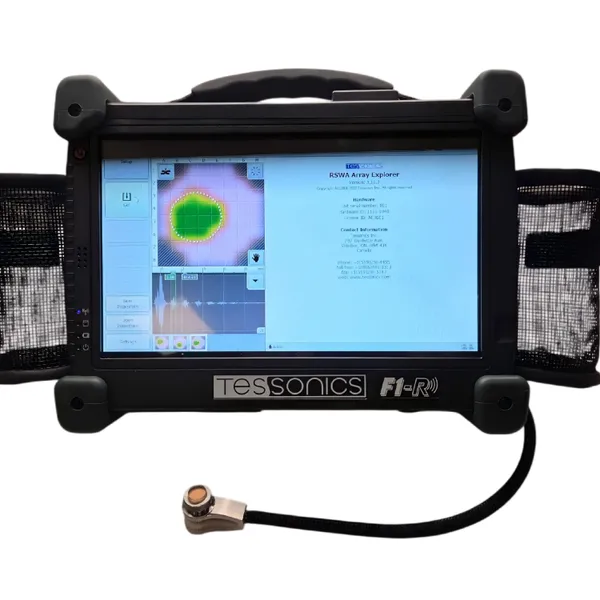 Read More
 -
Revolutionizing NDT with Tessonics: A Productive Session with a Top Automotive Quality Team
April 10, 2026We had a fantastic opportunity today to host the quality control specialists from a prominent automotive manufacturer for an in-de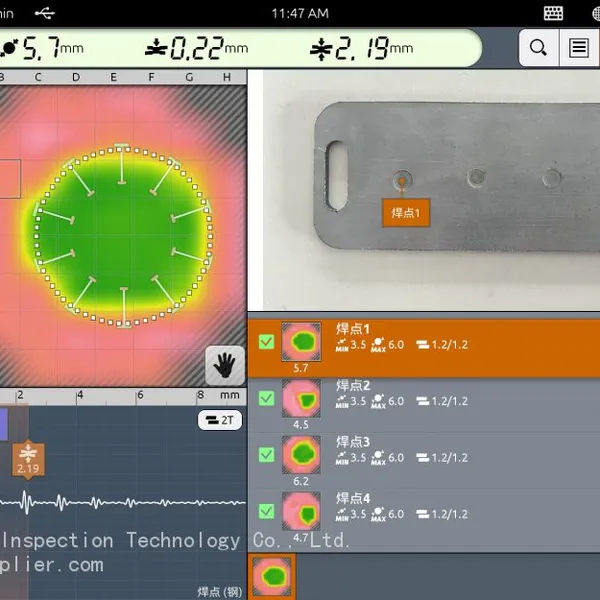 Read More
 -
Beyond the Weld: Master Adhesive Bond Inspection with RSWA ABIS
March 31, 2026In the modern automotive "Body-in-White" process, structural adhesives are just as critical as spot welds. Whether it’s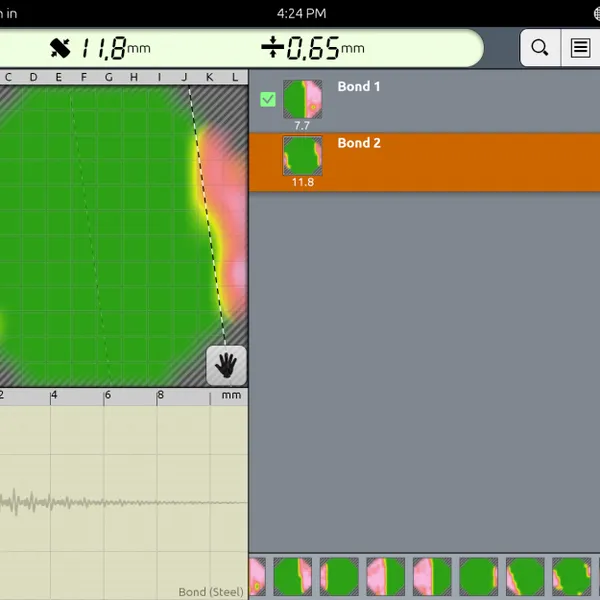 Read More

Contact Us
Recommended Products
-
 Tessonics RSWA F-1: The Cost-Effective Choice for Spot Weld InspectionUS$ 80000 - 85000MOQ: 1 Unit
 -
TESSONICS Quality of Resistance Spot WeldingNegotiableMOQ: 1 Set
-
TESSONICS WELDING TESTNegotiableMOQ: 1 Set
-
TESSONICS REAL-TIME IN-LINE SPOT WELD ANALYZERNegotiableMOQ: 1 Set
-
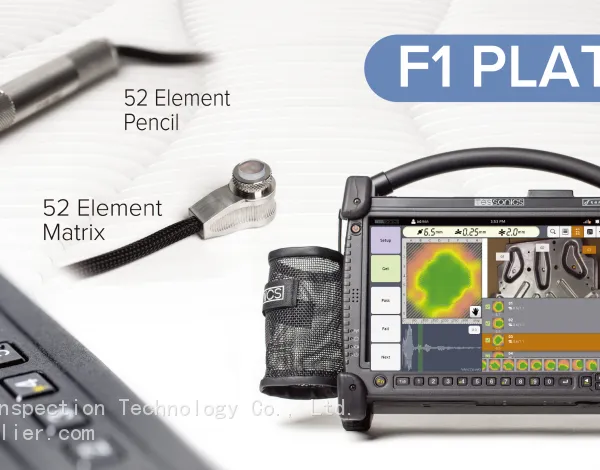
Real-Time Spot Weld TestingUS$ 80000MOQ: 100 Sets
-
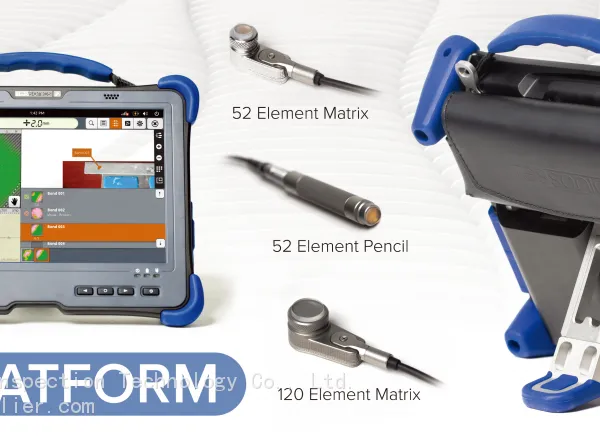
F2 Platform Ultrasonic Quality Inspection PlatformNegotiableMOQ: 1 Set
-
F2 – The Intelligent Eye of QualityUS$ 99000MOQ: 1 Set
-
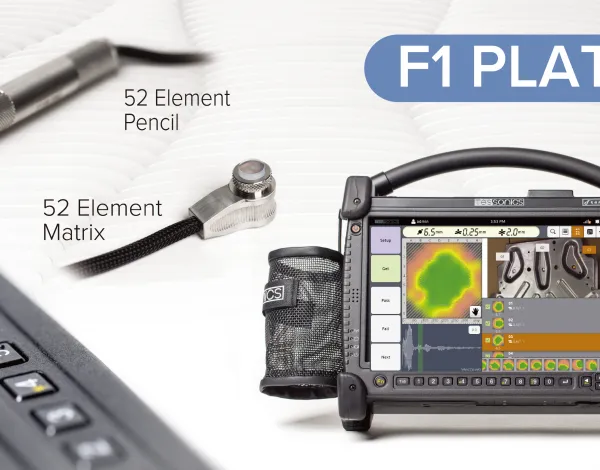
F1 – Precision You Can CarryUS$ 66666MOQ: 1 Set
-
RIWA – Real-Time Intelligence for Every WeldUS$ 160000MOQ: 1 Set
-
F2 – Precision Beyond the SurfaceUS$ 88888MOQ: 1 Set