 Business License

The Invisible Stitches: Why Resistance Spot Welding is the Pulse of Modern Manufacturing
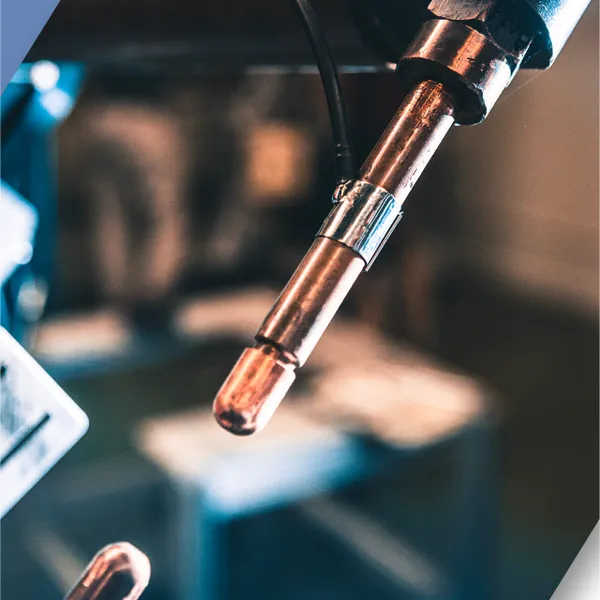
In the automotive world, we often marvel at sleek aerodynamics or horsepower. But the real magic happens in the "Body-in-White" (BIW) shop, where thousands of Resistance Spot Welds (RSW) act as the invisible stitches holding the modern car together.
If these "stitches" fail, the entire manufacturing business model unravels.
The Cost of the "Cold Weld": A Case Study in Stakes
Consider a modern EV assembly line. To save weight and increase range, engineers use a complex mix of Advanced High-Strength Steels (AHSS) and ultra-thin coatings.
The Reality Check: A few years ago, a major global automaker had to recall thousands of vehicles because a single welding robot had a slight fluctuation in current. This led to "stick welds"—welds that look perfect on the outside but have zero structural strength. The cost wasn't just the repair; it was the halt in production and the loss of consumer trust.
This highlights the two-fold importance of RSW:
Process Stability: Even a 0.5-second deviation in weld time can compromise the joint.
Material Evolution: We are no longer welding simple mild steel; we are welding "metallurgical puzzles" that require precise heat control.
The NDT Revolution: Why Ultrasonic Testing is Non-Negotiable
In a high-speed environment, you can’t afford to stop the line to tear a car apart for testing. This is why Ultrasonic Non-Destructive Testing (NDT) has transitioned from a "luxury" to a "necessity."
The "Internal Eye" for Complex Metals
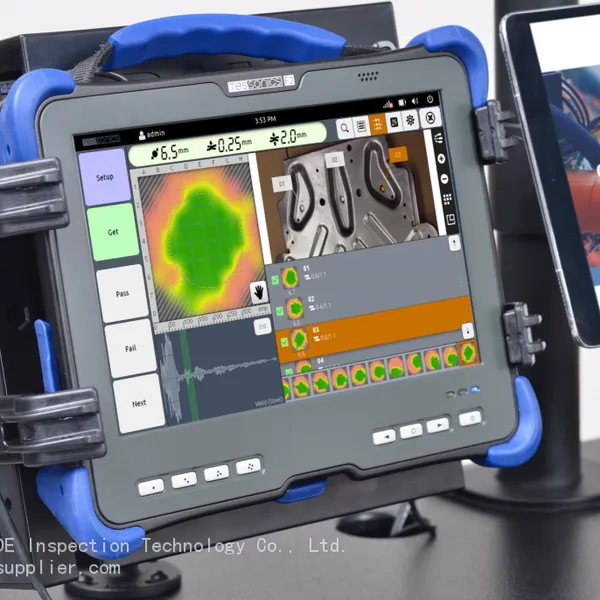
As we move toward multi-layer stacks (welding three or four sheets of metal at once), visual inspection becomes useless. Ultrasonic waves act as an internal eye. By analyzing the Time-of-Flight and Echo Attenuation, technicians can identify:
Nugget Diameter: Is the fusion zone large enough to meet engineering specs?
Indentation Depth: Did the electrodes press too hard, weakening the base metal?
Porosity: Are there hidden air bubbles that will cause the weld to crack under stress?
Turning Quality into Data
The true power of ultrasonic testing today lies in digital integration. Modern UT devices don't just give a "Go/No-Go" result; they record data that can be fed back into the welding robots. If the ultrasound detects a trend toward smaller nuggets, the system can automatically adjust the weld current before a single "bad" weld is even produced.
Efficiency Meets Integrity
Using ultrasound isn't just about catching mistakes; it's about optimizing the cycle. By providing a reliable, portable, and fast way to verify welds, manufacturers can:
Reduce scrap and wasted materials.
Lower energy consumption by avoiding "over-welding" (adding extra welds just to be safe).
Ensure that every vehicle—from the budget sedan to the luxury SUV—maintains its structural promise.
Conclusion: Small Points, Big Impact
Resistance spot welding might seem like a small detail in the grand scale of automotive engineering, but it is the foundation of vehicle longevity. Through the precision of Ultrasonic NDT, we can ensure that these thousands of invisible stitches are strong enough to last a lifetime.
Recently Posted
-
The Future is Here: A New Era in Smart Weld Inspection
August 11, 2026On modern automotive production lines, humanoid robots are meticulously inspecting every single weld point. Moving beyond human re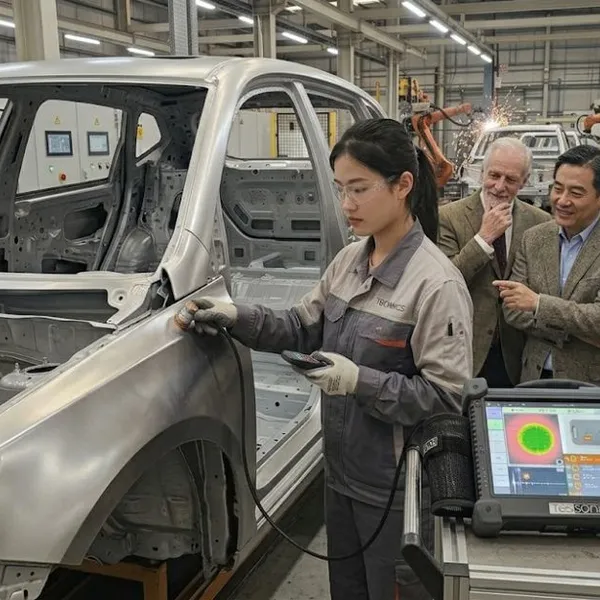 Read More
 -
Redefining Automotive Quality Control! Experience the All-Scenario Power of the Tessonics RSWA F1
July 29, 2026From the busy body-in-white (BIW) welding shop floor to high-level international boardrooms, how do you make your spot weld qualit
Read More -
From "Empirical Welding" to "Smart Traceability" — A New Era in Spot Welding Quality Control
July 21, 2026In traditional resistance spot welding (RSW) production, engineers often operate in a "black box." Although weld control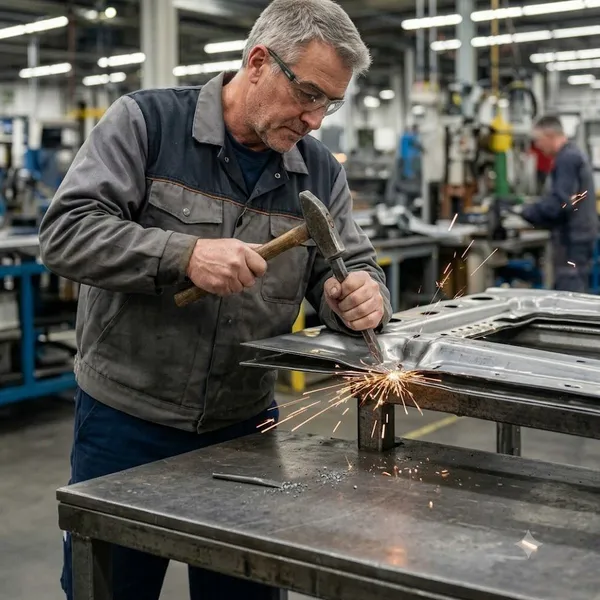 Read More
 -
RIWA: The Real-Time Guardian of Weld Quality!
May 15, 2026Move beyond offline sampling and embrace 100% real-time inline inspection! The RIWA system provides instant feedback the moment a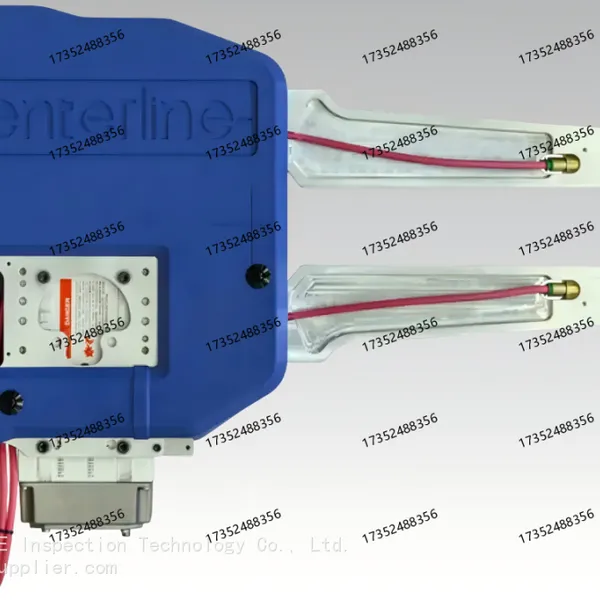 Read More

Contact Us
Recommended Products
-
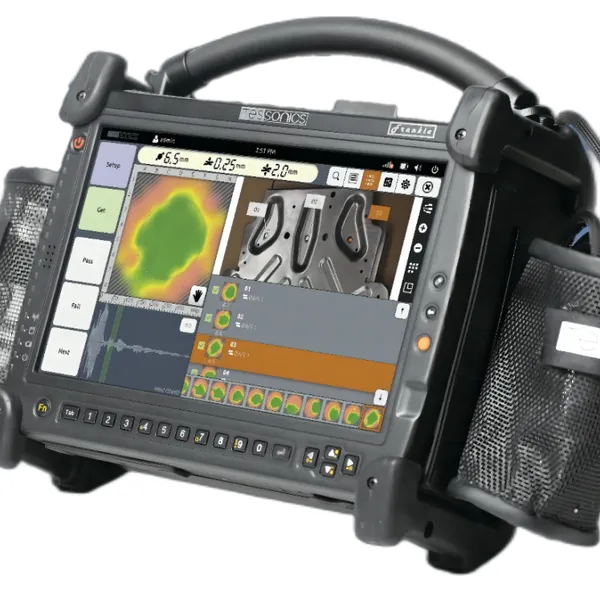
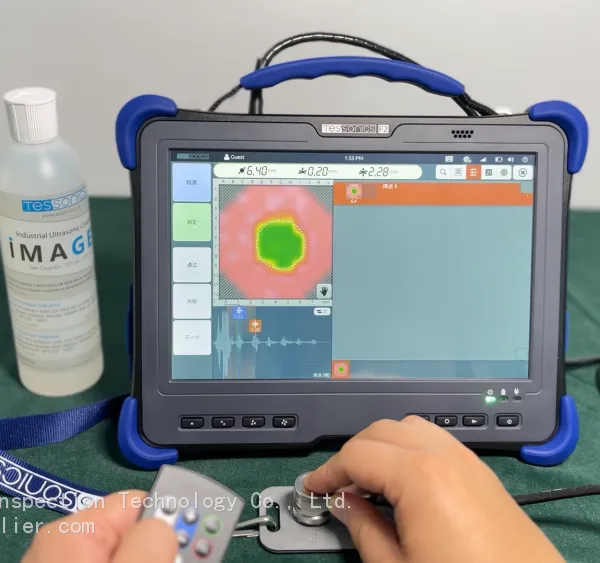
 RSWA F2 Ultrasonic Quality Inspection PlatformNegotiableMOQ: 1 Set
 -
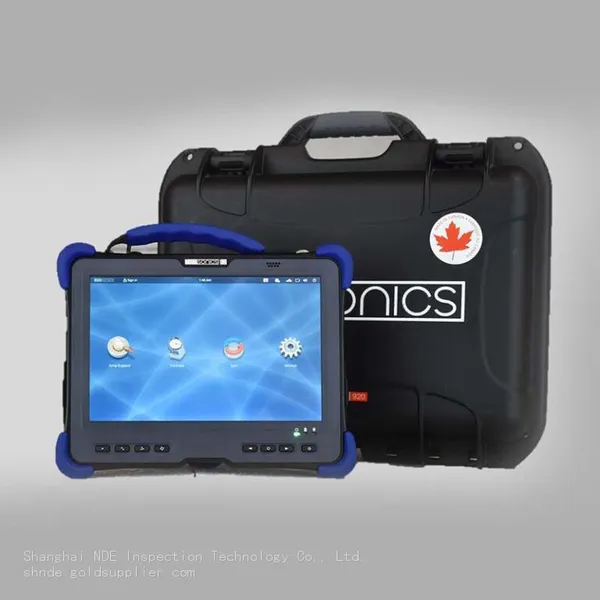
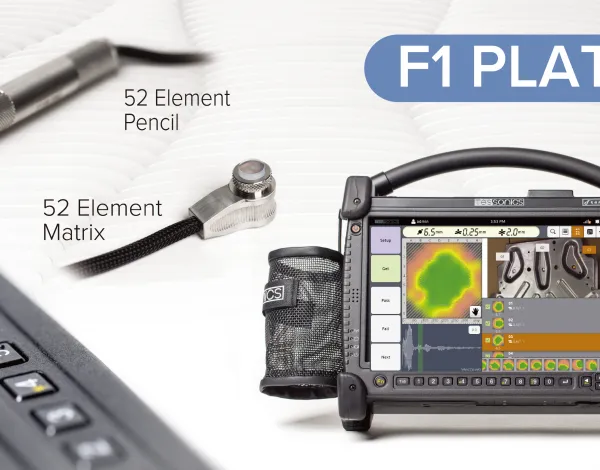
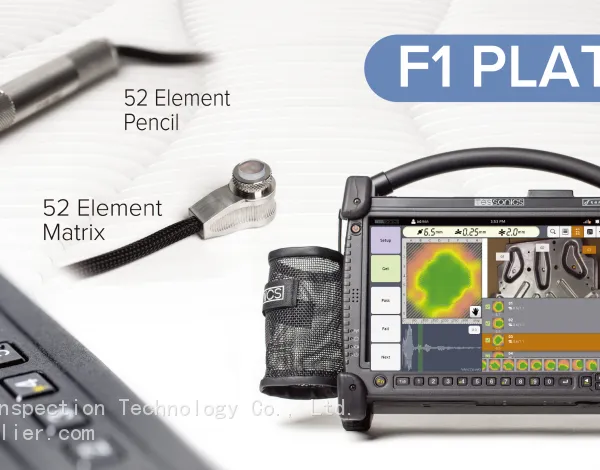
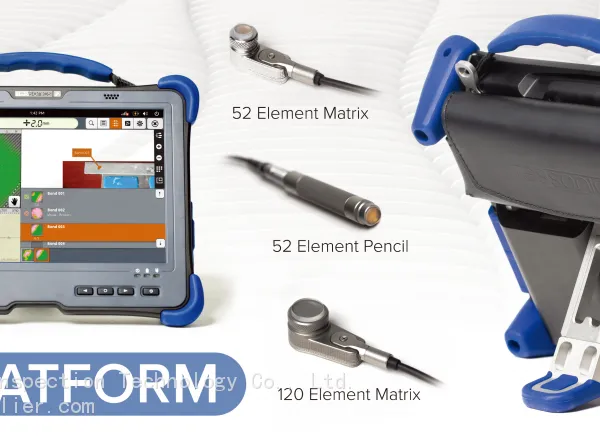
F1 Platform Ultrasonic Quality Inspection PlatformNegotiableMOQ: 1 Set
-
Recommendation Article: A Revolutionary Tool for Welding Engineers—RIWA Real-Time Weld Point Detection SystemNegotiableMOQ: 1 Set
-
Ultrasonic Weld Scanning-spot Weld TestingNegotiableMOQ: 1 Set
-
F1 Platform Ultrasonic Quality Inspection PlatformNegotiableMOQ: 1 Set
-
RSWA F2 Ultrasonic Quality Inspection PlatformNegotiableMOQ: 1 Set
-
RSWA F2 Ultrasonic Quality Inspection PlatformNegotiableMOQ: 1 Set
-
Tessonics RSWA F-1: The Cost-Effective Choice for Spot Weld InspectionUS$ 80000 - 85000MOQ: 1 Unit
-
TESSONICS Quality of Resistance Spot WeldingNegotiableMOQ: 1 Set
-
TESSONICS WELDING TESTNegotiableMOQ: 1 Set
-
F1 Ultrasonic Quality Inspection PlatformNegotiableMOQ: 1 Set
-
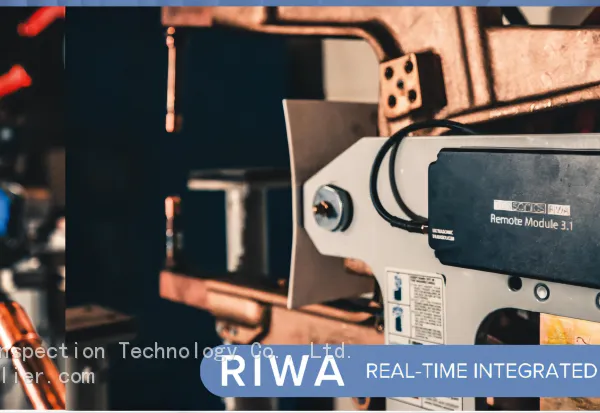
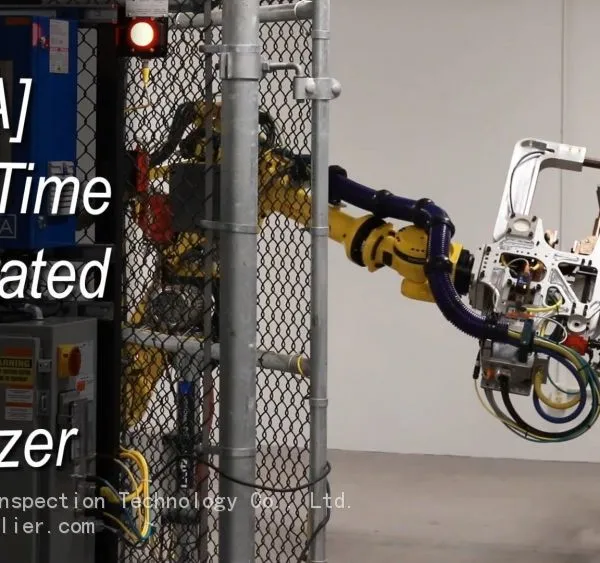
REAL-TIME IN-LINE SPOT WELD ANALYZER NdtNegotiableMOQ: 1 Set
-
F2 Platform Ultrasonic Quality Inspection PlatformNegotiableMOQ: 1 Set
-
F2 – The Intelligent Eye of QualityUS$ 99000MOQ: 1 Set
-
F1 – Precision You Can CarryUS$ 66666MOQ: 1 Set