 Business License

Why Spot Weld Quality is the Unsung Hero of Automotive Safety
In the world of automotive manufacturing, a single vehicle can have upwards of 3,000 to 5,000 spot welds. These tiny points of fusion are what hold the structural cage together, ensuring that a car isn’t just a collection of parts, but a cohesive, life-saving machine.
However, as the industry shifts toward high-strength steels and aluminum alloys, the margin for error in Resistance Spot Welding (RSW) has never been thinner.
The High Stakes of Weld Quality
Why does weld quality matter so much? It’s simple: Structural Integrity.
Crashworthiness: In the event of a collision, the welds must manage energy distribution. If a weld fails (a "button pull" or interfacial failure), the vehicle's safety cage can collapse.
Durability: Poor welds lead to NVH (Noise, Vibration, and Harshness) issues and premature fatigue, shortening the lifespan of the vehicle.
Cost of Failure: Discovering a batch of "cold welds" after a car has left the assembly line leads to catastrophic recalls and brand damage.
The Evolution of Testing: From Hammers to High-Tech
Historically, the industry relied on Pry Testing or Chisel Testing. While satisfyingly tactile, these methods are destructive, expensive, and—let’s be honest—a bit primitive. You end up destroying perfectly good parts just to prove they were, in fact, good.
This is where Ultrasonic Testing (UT) changes the game.
Why Ultrasound is the "Gold Standard" for NDT
Ultrasonic inspection has emerged as the most reliable Non-Destructive Testing (NDT) method for controlling spot weld quality. Here’s why it’s a favorite among Quality Assurance (QA) engineers:
1. Precision Without Destruction
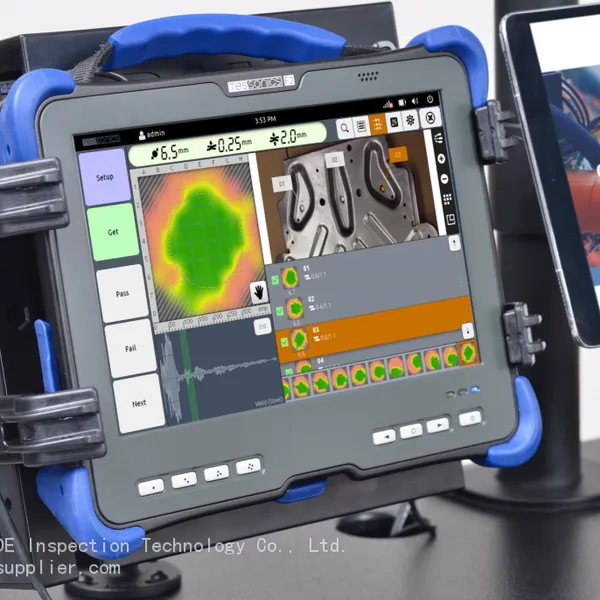
Ultrasound allows you to "see" inside the weld nugget without damaging the workpiece. By sending high-frequency sound waves through the metal layers, the system analyzes the reflected signals to determine the nugget diameter and penetration.
2. Instant, Reliable Results
Modern ultrasonic spot weld echoes provide a "visual fingerprint" of the weld.
Good Weld: Shows a distinct decay pattern of echoes indicating a solid fusion.
Stick/Cold Weld: The sound waves reflect differently, immediately alerting the technician to a lack of fusion.
3. Portability and Speed
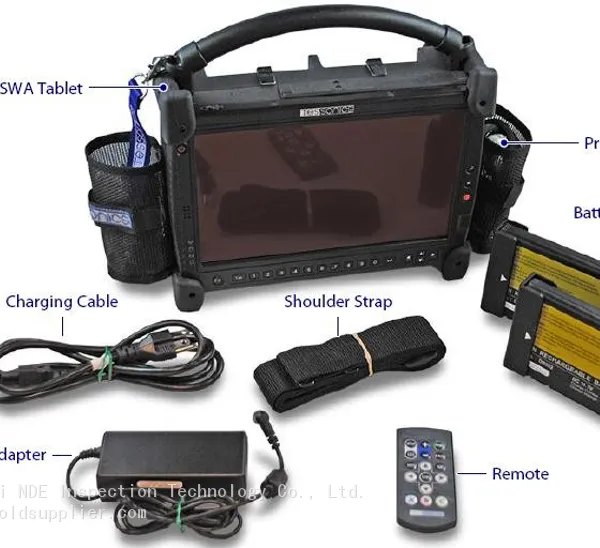
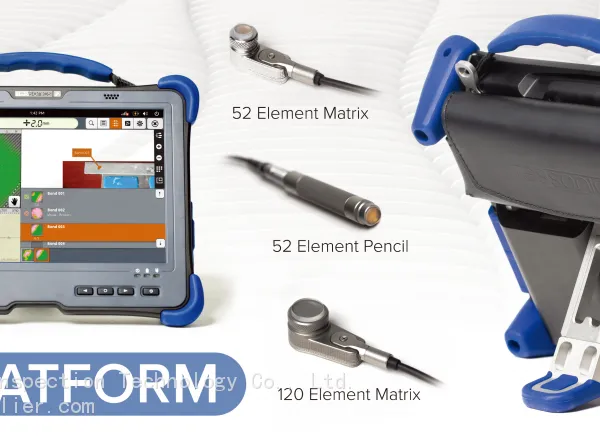
Gone are the days of massive testing rigs. Today’s ultrasonic devices are handheld and battery-operated. A technician can walk the assembly line, apply a bit of couplant, and verify a weld in seconds. This convenience allows for higher sampling rates, leading to much tighter process control.
Conclusion: Data-Driven Safety
As vehicles become more complex, our testing methods must keep pace. Ultrasonic testing isn't just a "check-the-box" exercise; it is a data-driven approach to ensuring that every vehicle rolling off the line is as safe as it was designed to be. It’s the perfect blend of reliability, speed, and cost-effectiveness.
Recently Posted
-
The Future is Here: A New Era in Smart Weld Inspection
August 11, 2026On modern automotive production lines, humanoid robots are meticulously inspecting every single weld point. Moving beyond human re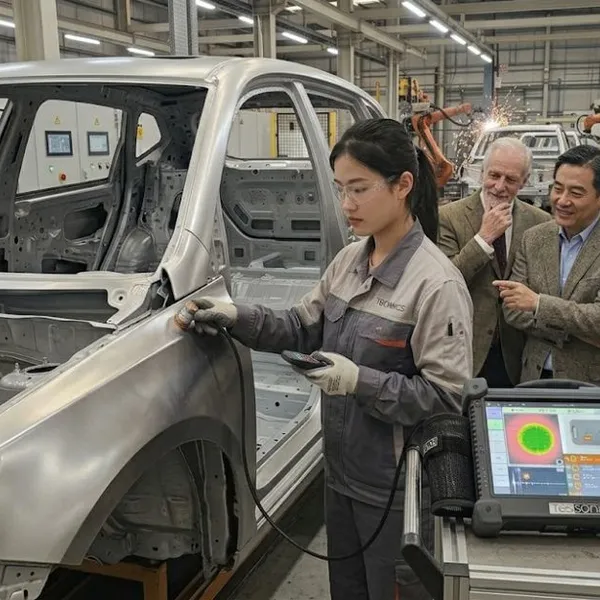 Read More
 -
Redefining Automotive Quality Control! Experience the All-Scenario Power of the Tessonics RSWA F1
July 29, 2026From the busy body-in-white (BIW) welding shop floor to high-level international boardrooms, how do you make your spot weld qualit
Read More -
From "Empirical Welding" to "Smart Traceability" — A New Era in Spot Welding Quality Control
July 21, 2026In traditional resistance spot welding (RSW) production, engineers often operate in a "black box." Although weld control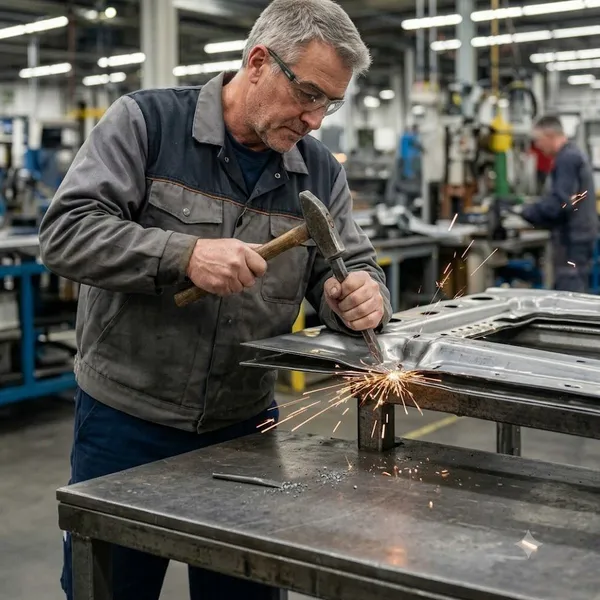 Read More
 -
RIWA: The Real-Time Guardian of Weld Quality!
May 15, 2026Move beyond offline sampling and embrace 100% real-time inline inspection! The RIWA system provides instant feedback the moment a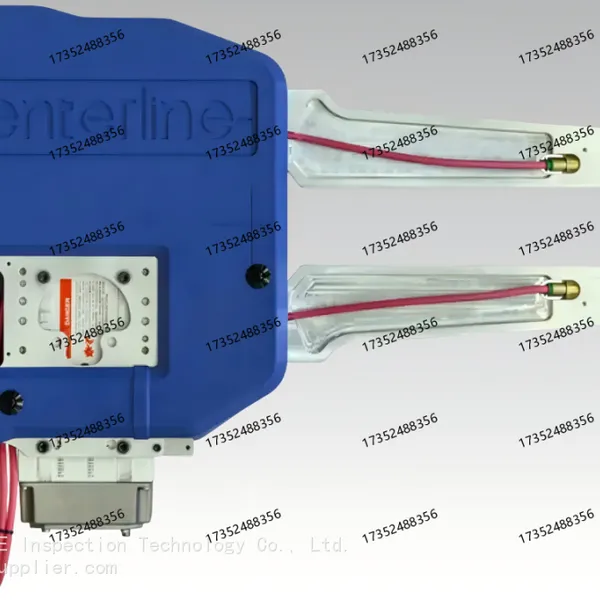 Read More

Contact Us
Recommended Products
-
 RSWA F2 Ultrasonic Quality Inspection PlatformNegotiableMOQ: 1 Set
 -
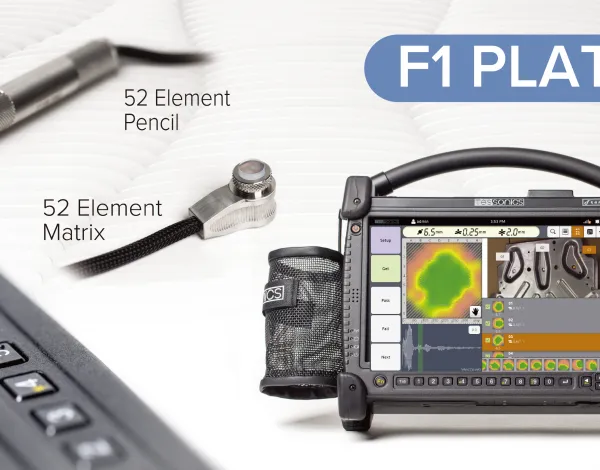
F1 Platform Ultrasonic Quality Inspection PlatformNegotiableMOQ: 1 Set
-
Recommendation Article: A Revolutionary Tool for Welding Engineers—RIWA Real-Time Weld Point Detection SystemNegotiableMOQ: 1 Set
-
Ultrasonic Weld Scanning-spot Weld TestingNegotiableMOQ: 1 Set
-
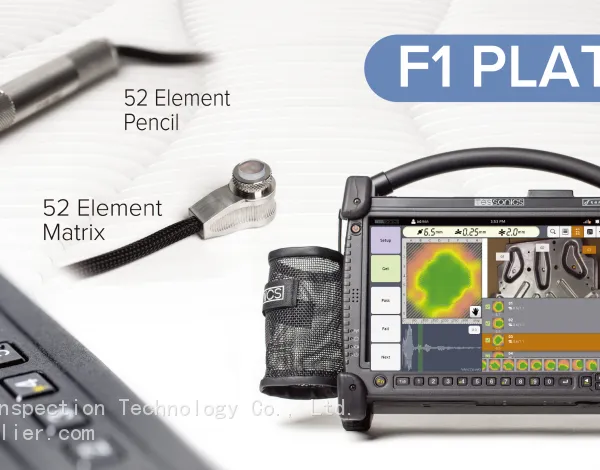
F1 Platform Ultrasonic Quality Inspection PlatformNegotiableMOQ: 1 Set
-
RSWA F2 Ultrasonic Quality Inspection PlatformNegotiableMOQ: 1 Set
-
RSWA F2 Ultrasonic Quality Inspection PlatformNegotiableMOQ: 1 Set
-
Tessonics RSWA F-1: The Cost-Effective Choice for Spot Weld InspectionUS$ 80000 - 85000MOQ: 1 Unit
-
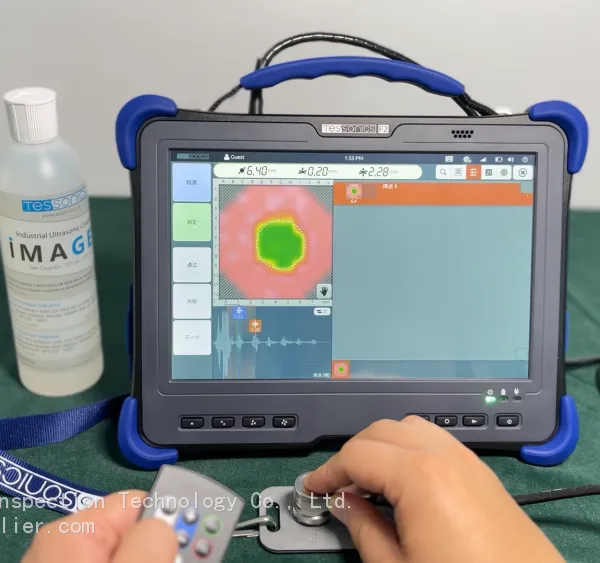
TESSONICS Quality of Resistance Spot WeldingNegotiableMOQ: 1 Set
-
TESSONICS WELDING TESTNegotiableMOQ: 1 Set
-
F1 Ultrasonic Quality Inspection PlatformNegotiableMOQ: 1 Set
-
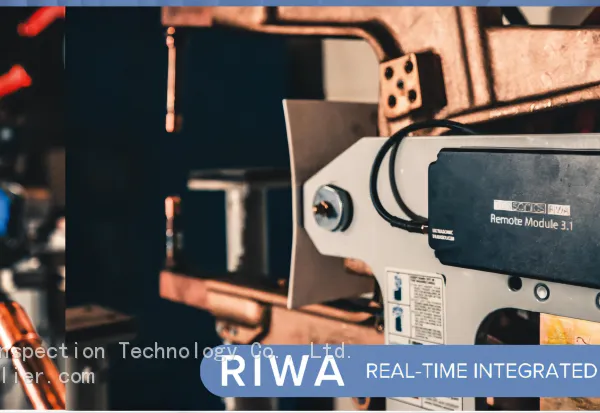
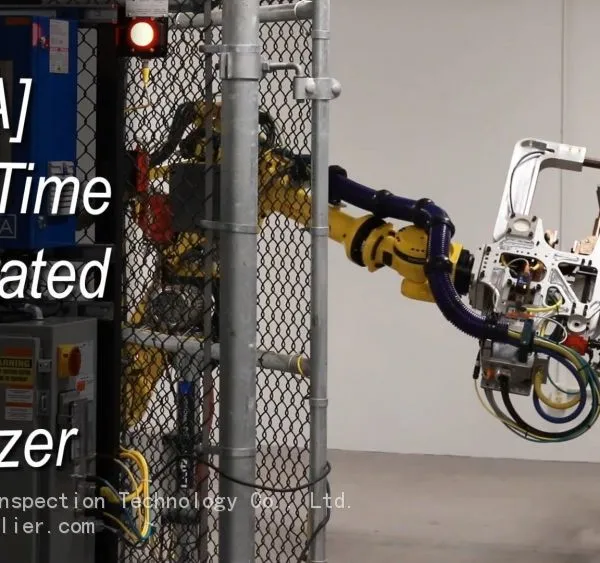
REAL-TIME IN-LINE SPOT WELD ANALYZER NdtNegotiableMOQ: 1 Set
-
F2 Platform Ultrasonic Quality Inspection PlatformNegotiableMOQ: 1 Set
-
F2 – The Intelligent Eye of QualityUS$ 99000MOQ: 1 Set
-
F1 – Precision You Can CarryUS$ 66666MOQ: 1 Set